


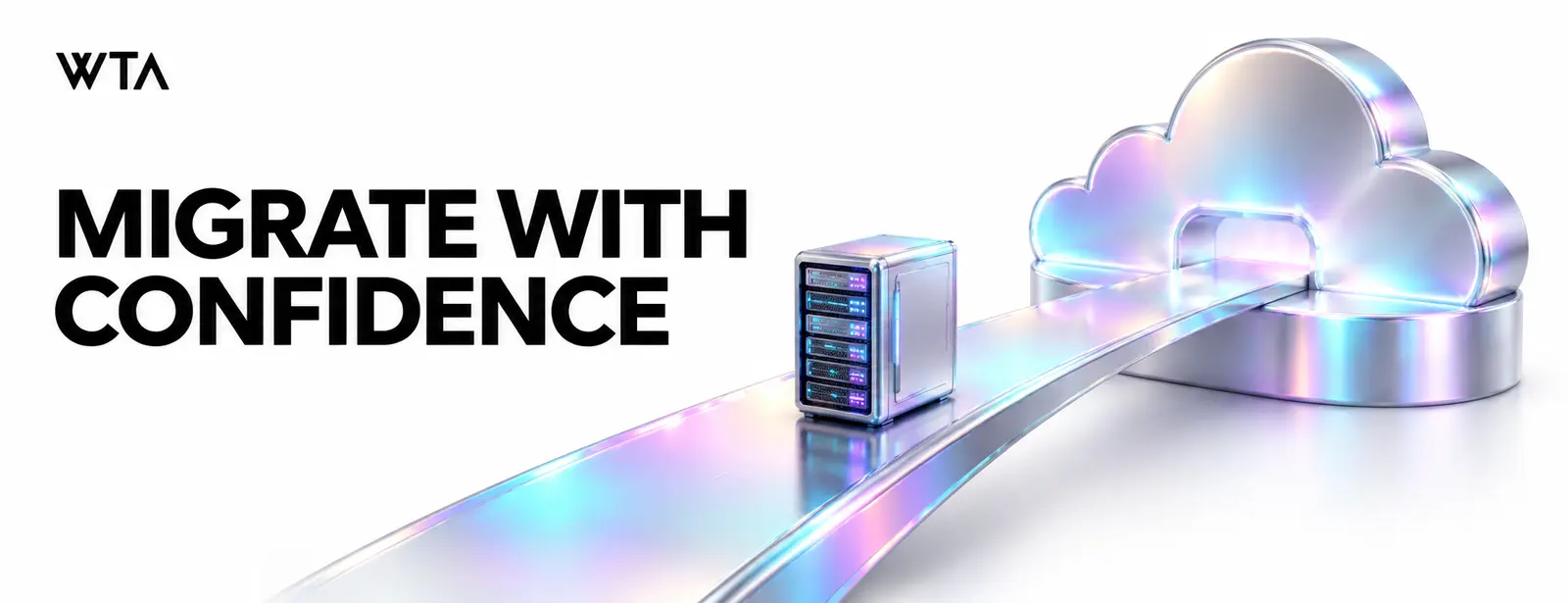
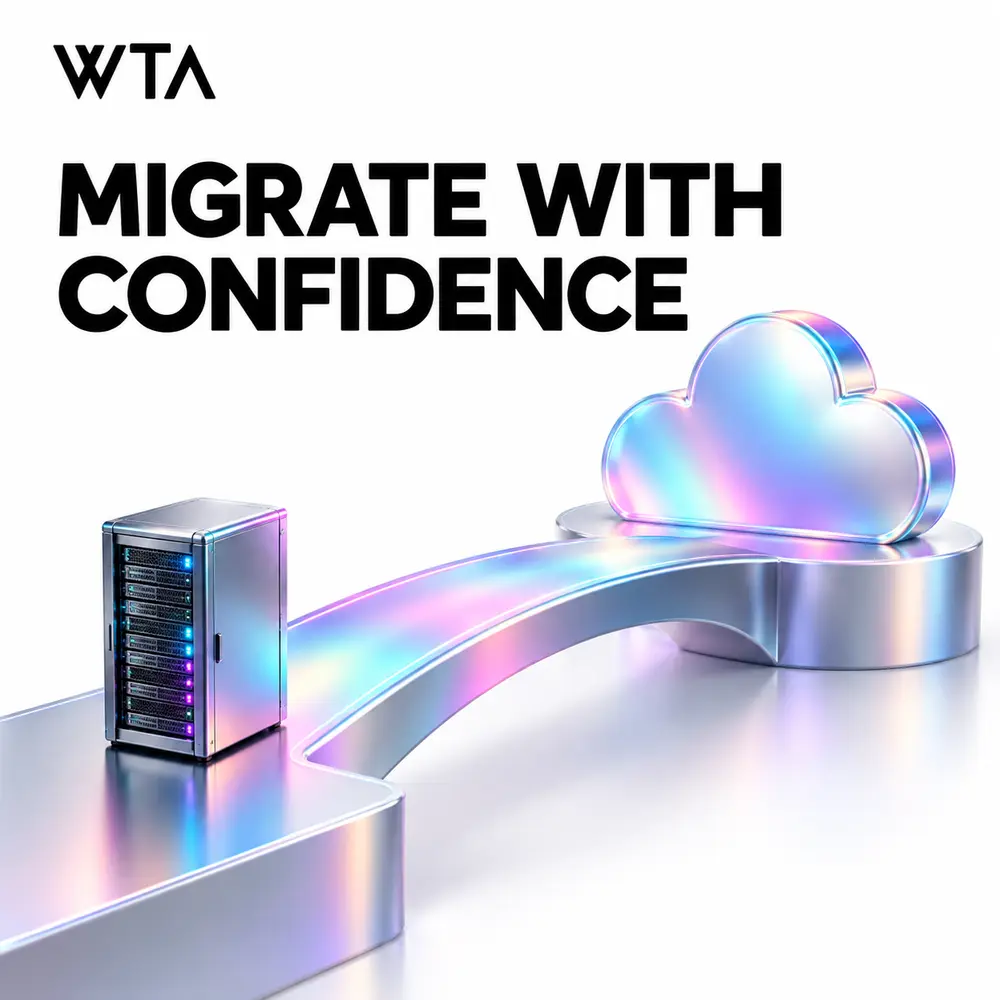
What should an Azure migration achieve?
An Azure migration moves selected applications and data to a cloud environment that meets business needs. The business case may involve resilience, capacity, modernization, or easier access to shared services. AI readiness can be one benefit, but migration alone does not make information accurate, accessible, or suitable for AI.
Assess the work before choosing the route
Identify application owners, critical workflows, dependencies, and support arrangements. Record current performance and operating costs so the team can judge the change. Microsoft's migration guidance emphasizes sequencing connected workloads and planning rollback. For each application, decide whether to move it largely unchanged, modernize it, retain it, or retire it.
Build the destination deliberately
Agree on identity, network access, resource ownership, logging, and cost allocation before important workloads arrive. Check service availability and the data requirements that apply to the specific workload. Teams supporting US and India operations should confirm their actual access and hosting needs instead of assuming that one location solves every requirement.
Move in manageable waves
Start with a limited group of applications that reveals useful lessons without exposing the most critical service first. Rehearse data transfer and cutover, and verify business transactions after the move. Give the release owner clear criteria for continuing or returning to the previous environment. Include suppliers and internal support teams in the communication plan.
Separate migration from the AI pilot
Once the workload is stable, identify an AI use case with accessible data and a measurable outcome. Avoid adding a new agent, a new operating model, and a major infrastructure move to the same release unless the dependencies justify it. Smaller decisions make errors easier to diagnose and value easier to measure.
Frequently asked questions
Does migration automatically reduce costs? No. Compare the full operating model, including support and usage. Must every application move? No. Portfolio decisions should reflect value and constraints. When is migration complete? When business acceptance, recovery, support, and ownership are in place, not simply when data transfer finishes.
Published September 18, 2026. Microsoft Azure migration planning. Related: Preparing Azure for Enterprise AI Workloads.

.svg)
.svg)
.svg)
.svg)
.svg)
.png)

















.svg)

.png)