Cart
(
0
)
Your Cart

No items found.
Product is not available in this quantity.
.webp)
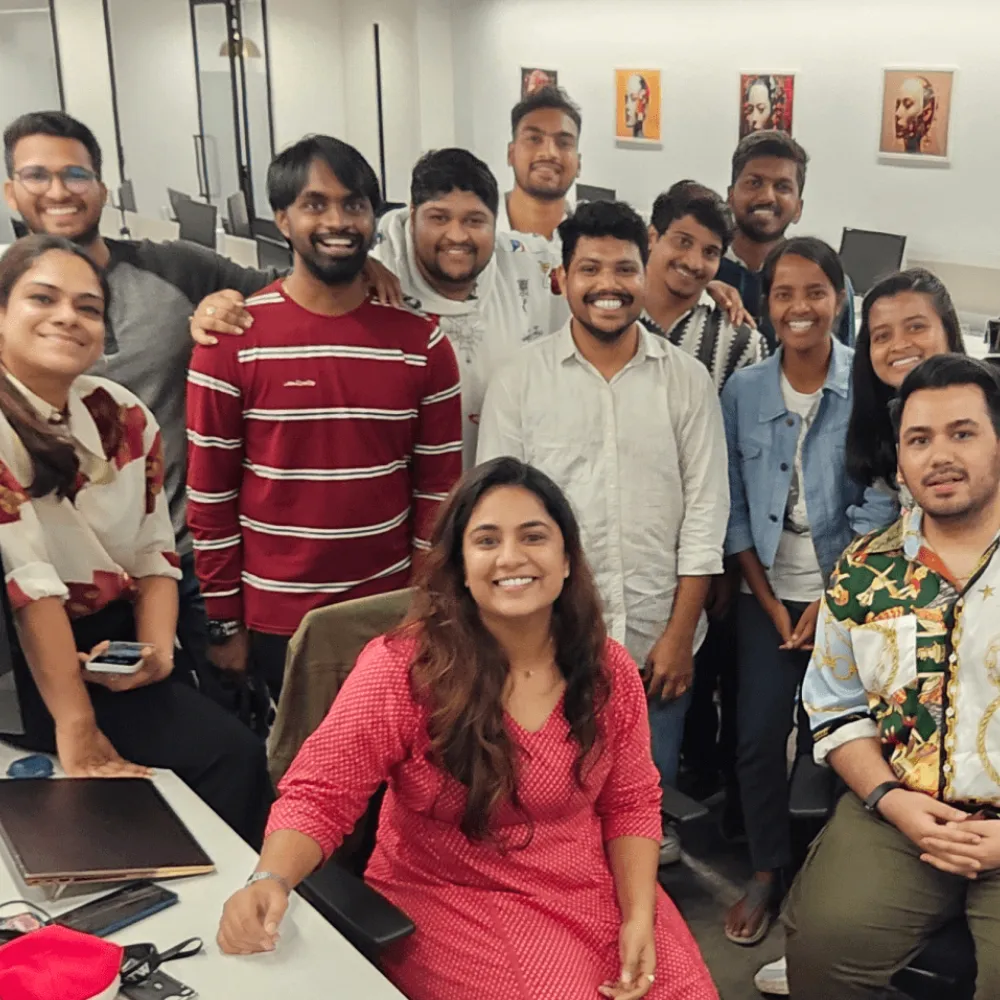
We start with the people doing the work. Together, we map the current workflow, identify delays and repeated effort, and establish a baseline for cost and quality. That evidence helps us choose where agents, conventional automation, or a simpler process can help. Our teams connect business priorities with product design and engineering, define access boundaries early, and test a focused pilot before expanding. Each engagement has an accountable owner and practical measures of progress.
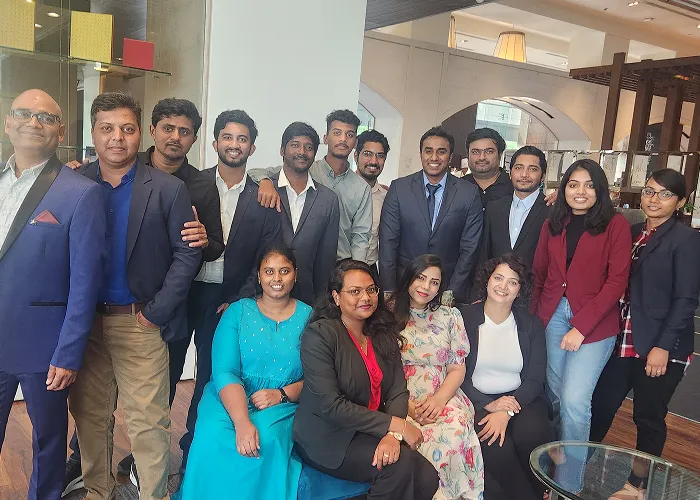
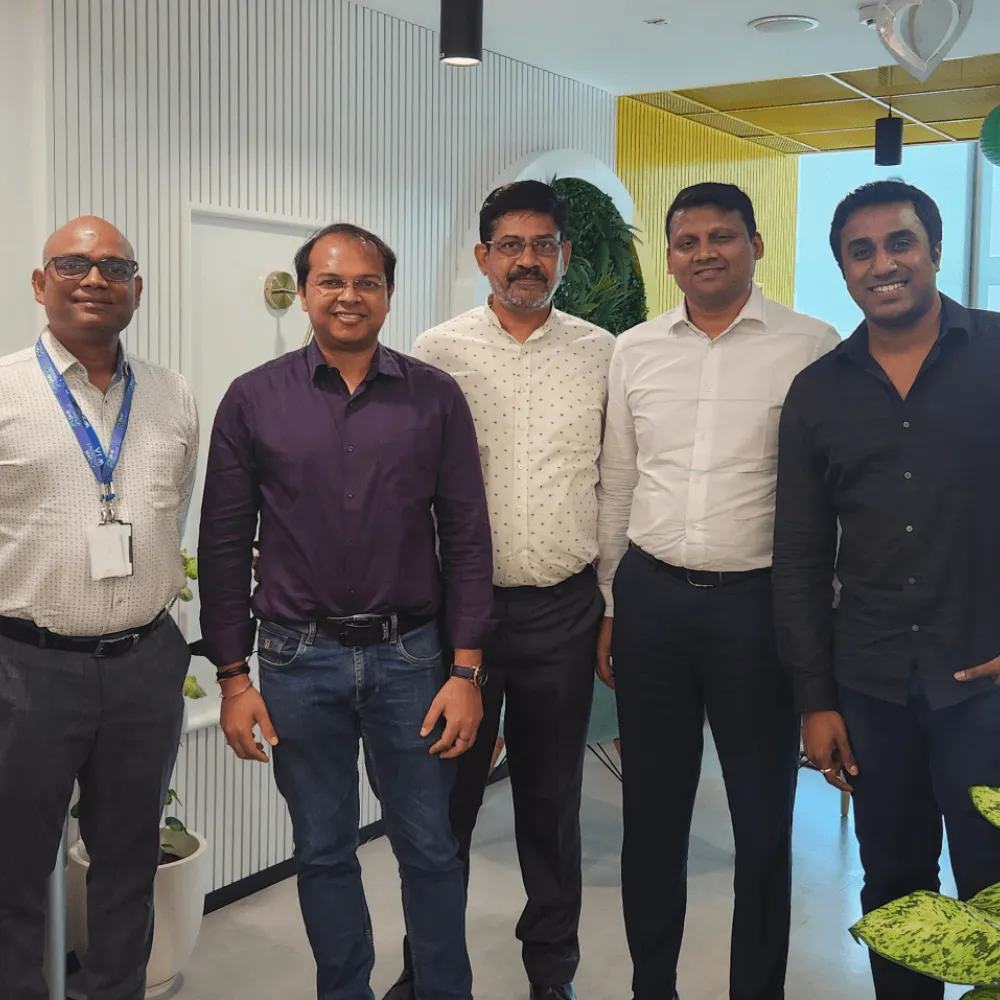
Our delivery approach connects assessment, design, implementation, and ongoing operations. We build within the Microsoft ecosystem, using Azure and appropriate agent frameworks to connect business information with everyday workflows. Teams can introduce an assistant into an existing application or create a chat interface with clear approvals for important actions. We evaluate answer quality, tool behavior, recovery, and cost before release. Our Agent Swarm control plane supports operational oversight, while named owners remain responsible for access, exceptions, support, and improvements as usage grows.
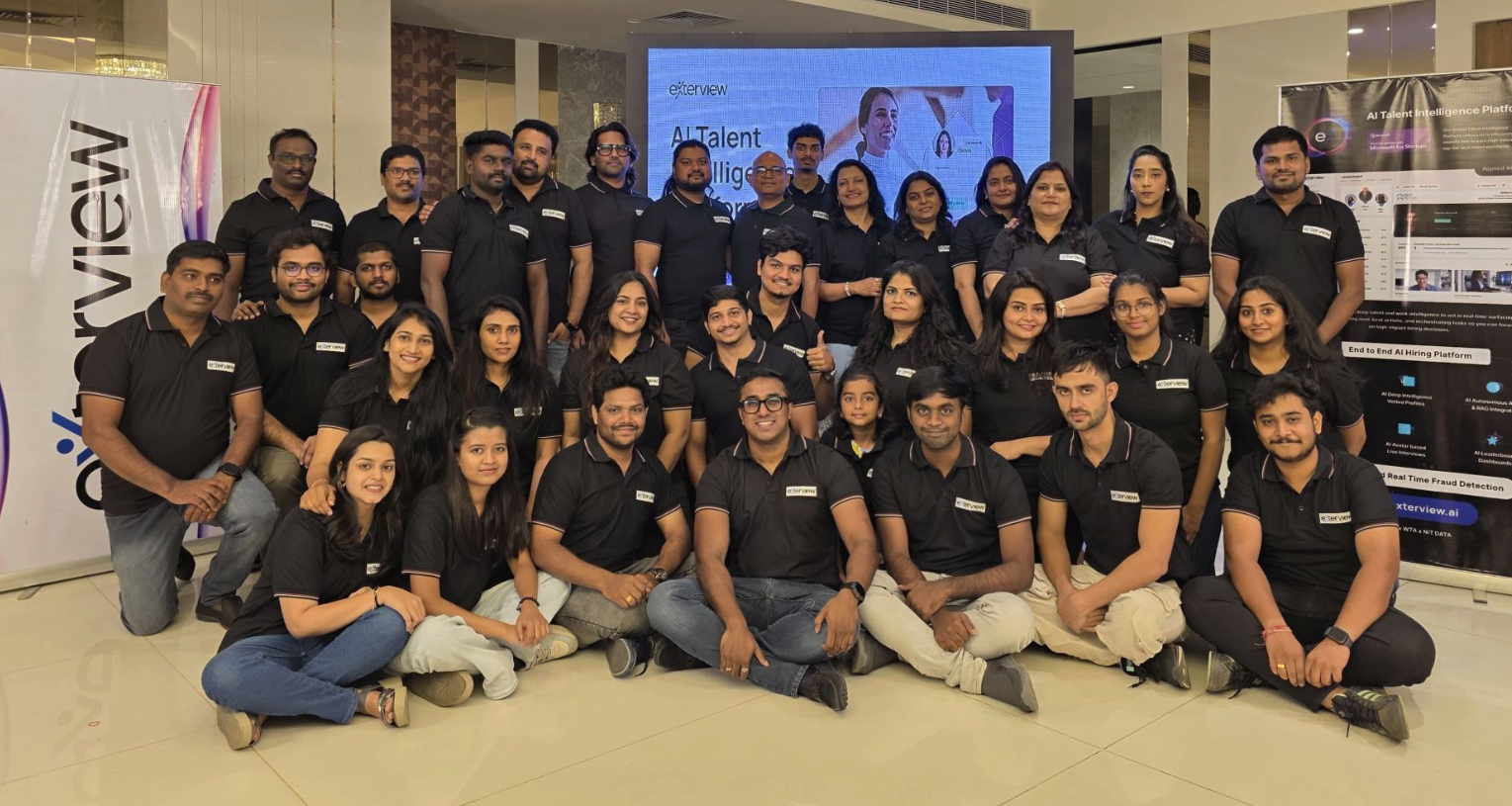
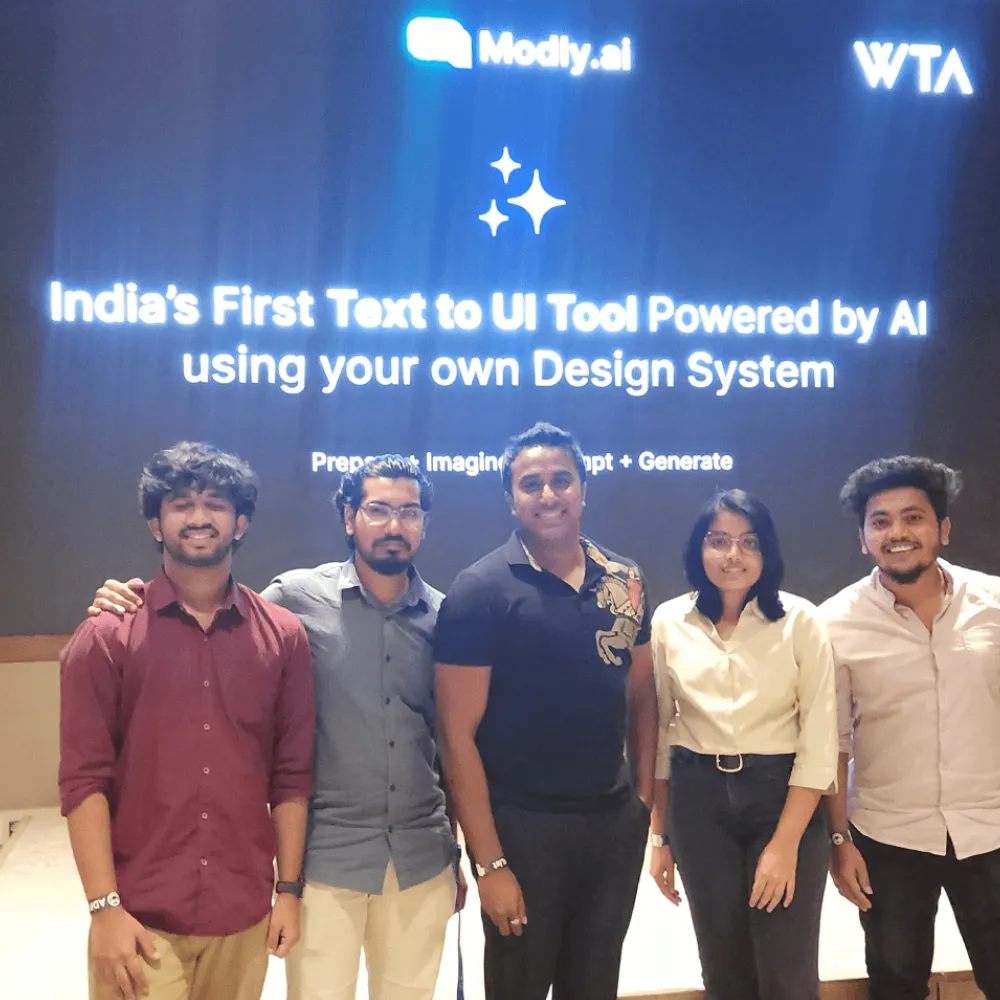
Enterprise AI begins with a useful business task and a realistic delivery plan. We compare the cost of the current workflow with the full cost of an agent-assisted alternative, including integration, model usage, hosting, review, and support. We help teams define what an agent may do, when it must ask for approval, and how work continues when a system is unavailable. Releases start with an agreed scope and measurable acceptance criteria. Expansion follows evidence from real use, with security, reliability, and business ownership considered throughout.
.webp)
.webp)
.webp)
.webp)
.webp)
.webp)
.webp)
.webp)
.webp)
.webp)
.webp)
.webp)
.webp)
.webp)
.jpg)
.webp)
.webp)
.webp)
.webp)
.webp)
Six principles that define how WTA builds — enterprise outcomes, engineering craft, governance integrity, cross-functional collaboration, continuous learning, and responsible AI systems that last.
Every engagement is anchored to measurable business outcomes — revenue impact, cost reduction, or velocity gain — not just delivery milestones.
We choose AI where it helps the task, connect the right systems, and test answers and actions before release, with human approval for important decisions.
We agree quality, security, and accessibility requirements at the start. Release checks, documented decisions, and clear handover help customers operate and improve their systems after launch.
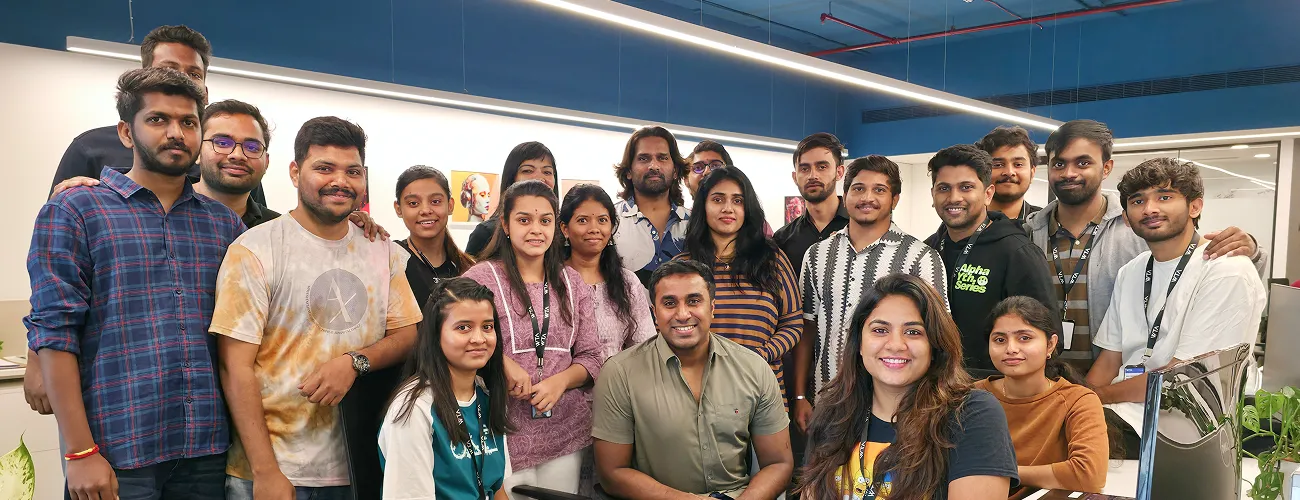
Product, design, data, and engineering aligned on outcomes and ownership within a single GCC-model pod — solving end-to-end, not handing off across silos.
We evaluate changes in Microsoft tools, models, and agent frameworks against practical customer needs, then turn useful lessons into reusable delivery patterns and clearer operating guidance.
We design for appropriate access, human oversight, recovery, and measurable costs. Teams can understand what agents do, investigate failures, and improve the system responsibly over time.
We work with enterprise customers in the US and India, aligning delivery with their teams, business hours, and operating requirements. Each engagement establishes communication, decision ownership, access arrangements, and support expectations so collaboration remains clear from assessment through rollout.






.svg)

.png)



.jpg)
.jpg)
.jpg)
.jpg)
.jpg)