What is agentic data modernization?
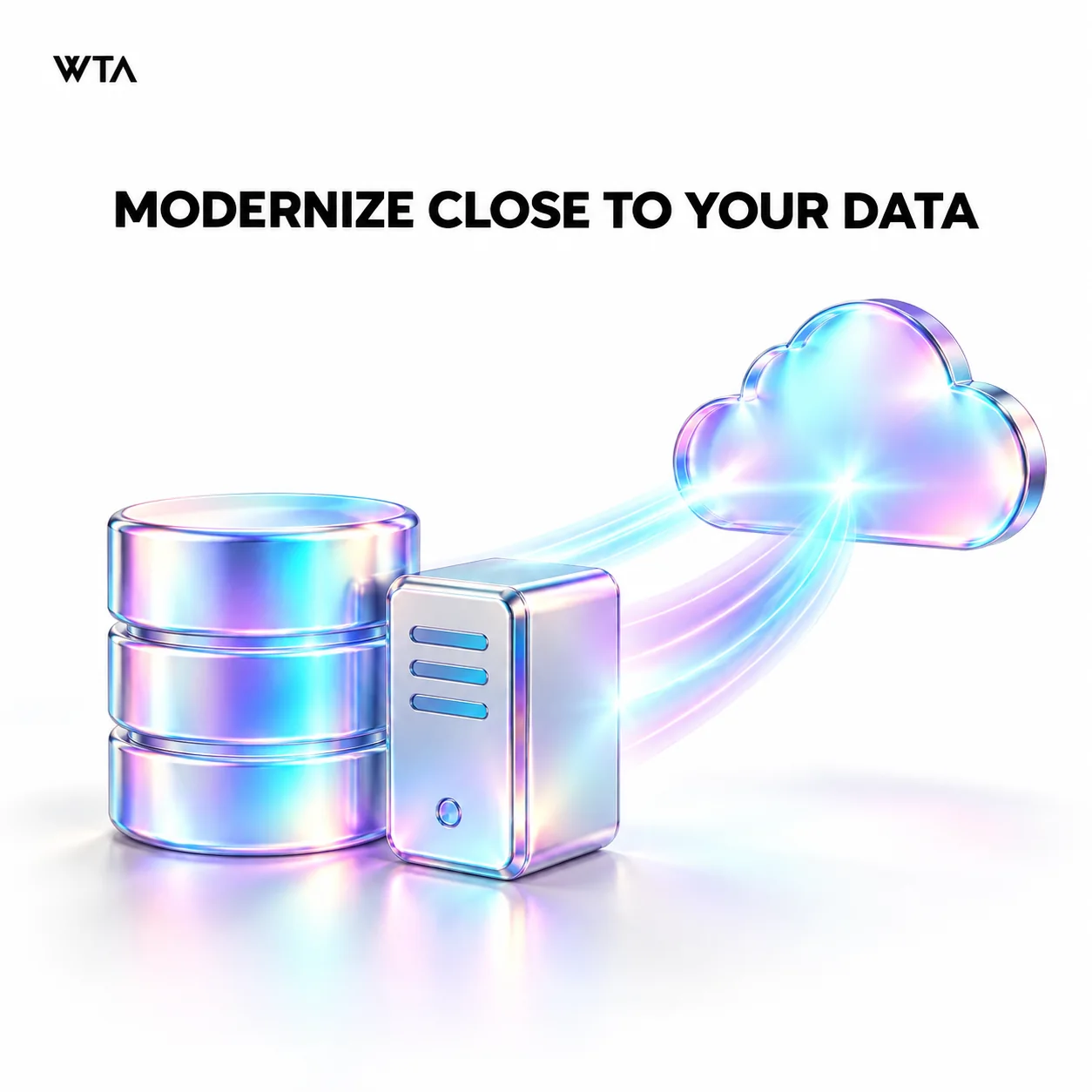
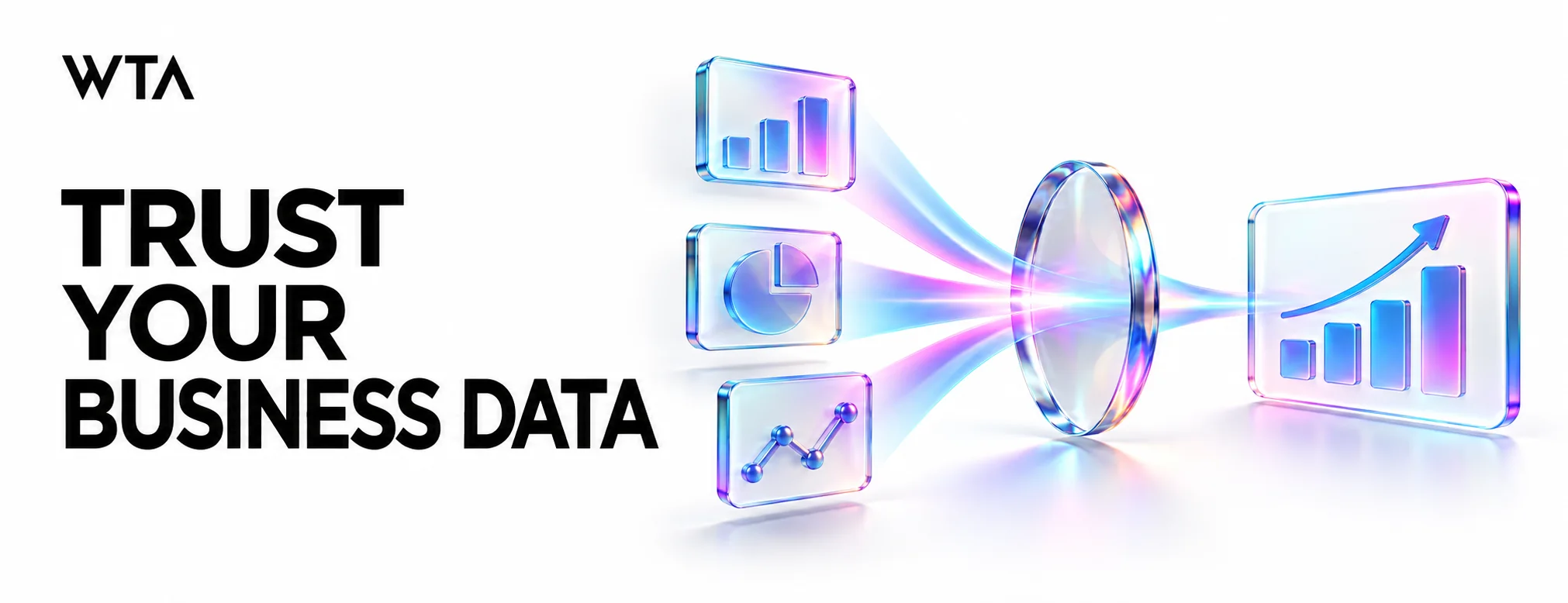
Agentic data modernization applies carefully bounded AI assistance to discovery, migration planning, conversion review, validation and operations. AI can accelerate analysis, but teams must still control production changes and approve business definitions. The desired result is trusted data for applications, analytics and AI agents.
1. Inventory data and dependencies
Identify databases, schemas, pipelines, stored procedures, reports, source applications and consumers. Record business ownership, data sensitivity, refresh schedules and service-level requirements. Prioritize workloads by business value, complexity and recovery risk.
2. Design the target Microsoft Fabric architecture
Choose appropriate storage, engineering, integration, warehousing and semantic-model components for each workload. Check licensing, access, residency and compatibility constraints. Make source-to-target mappings explicit and retain a plan for unsupported logic or performance differences. Consult the Microsoft Fabric overview for current platform capabilities.
3. Validate more than row counts
Compare keys, null rates, aggregation totals, transformations, freshness, business metrics and access behavior. Classify differences and obtain business-owner sign-off before cutover. A technically successful migration can still produce incorrect revenue, margin or customer measures.
4. Govern semantic models and agent access
Agree which definitions are authoritative and who can change them. Restrict dataset and tool access using least privilege. Evaluate answers from downstream AI against approved business questions, including cases with ambiguity or incomplete source data. See WTA's Fabric IQ readiness checklist.
5. Cut over and operate
Deploy in phases. Monitor pipeline health, data quality, cost, access exceptions and consumer acceptance. Keep named incident owners, rollback criteria and recovery plans. Measure validated workloads rather than simply the number of migrated tables.
Modernization scorecard
- Workloads with completed dependency maps
- Source-to-target validation pass rate
- Data freshness and recovery performance
- Permission and lineage exceptions
- Cost per validated workload
- Adoption by production consumers
Explore WTA's platform modernization services, the Azure migration roadmap and agent governance controls. Discuss a scoped data modernization assessment.